報(bào)告題目:Photocatalytic Valorization of Lignin and Biomass-Derived Intermediates
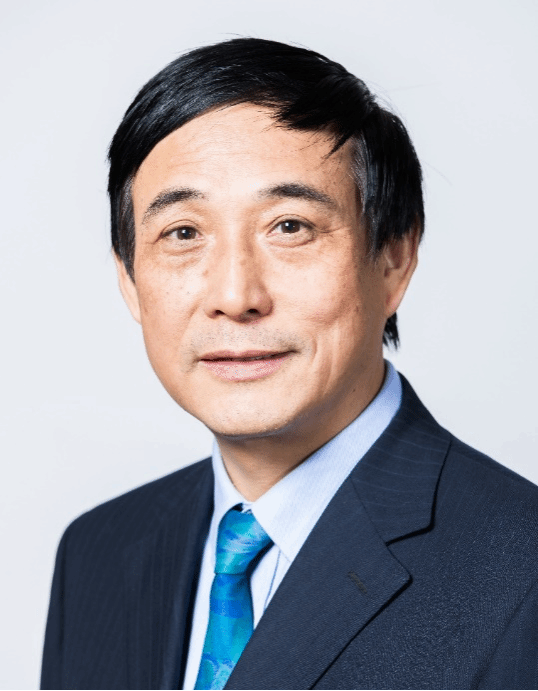
報(bào)告人:范先鋒 教授 (愛(ài)丁堡大學(xué)工程院)
報(bào)告時(shí)間:2025年9月4日14:30-15:30
報(bào)告地點(diǎn):煉化樓2樓會(huì)議室
個(gè)人簡(jiǎn)介:范先鋒,愛(ài)丁堡大學(xué)工程院教授(Chair Professor),英國(guó)皇家化工協(xié)會(huì)會(huì)士,顆粒技術(shù)首席,材料和過(guò)程所所長(zhǎng),原系化學(xué)工程系主任,副主任,博士和博士后導(dǎo)師,Journal of Environmental Management編輯,清潔能源科學(xué)與技術(shù)期刊主編,現(xiàn)代綠能期刊主編,化工前沿期刊編輯,國(guó)際學(xué)術(shù)雜志編委。英國(guó)EPSRC Associate College,UKCCSRC,UKSCCS,the World Society of Sustainable Energy Technologies, the World Science and Engineering Academy and Society應(yīng)邀成員。曾為英國(guó)伯明翰大學(xué)research fellow,英國(guó)倫敦南岸大學(xué)化學(xué)石油工程專業(yè)高級(jí)講師。范先鋒教授在跨專業(yè)、跨學(xué)科、多團(tuán)隊(duì)聯(lián)合研發(fā)等方面具有多年的豐富經(jīng)驗(yàn),常年從事儲(chǔ)能,光催化,碳捕集和利用,生物質(zhì)轉(zhuǎn)換,反應(yīng)工程,顆粒技術(shù),醫(yī)藥制劑,可再生能源方面的研究。研發(fā)的同位素分離技術(shù),鈦,銅,鋅,銀回收先進(jìn)工藝,榮獲英國(guó)鑄造獎(jiǎng),國(guó)家科技進(jìn)步二等獎(jiǎng)等多個(gè)獎(jiǎng)項(xiàng),獲企業(yè)和英國(guó)政府大力資助,研究成果被多家媒體報(bào)道,并應(yīng)邀出席和組織國(guó)際會(huì)議作專題報(bào)告70余次,與20多個(gè)世界級(jí)科研團(tuán)隊(duì)保持穩(wěn)定的合作關(guān)系。長(zhǎng)期擔(dān)任歐盟、美國(guó)、加拿大等國(guó)家級(jí)的科研項(xiàng)目評(píng)委。獲英國(guó)皇家協(xié)會(huì),工程物理協(xié)會(huì)科研基金以及企業(yè)研發(fā)經(jīng)費(fèi)累計(jì)超過(guò)7500萬(wàn)元。負(fù)責(zé)50多個(gè)科研項(xiàng)目,包括低碳能源,儲(chǔ)能,大氣污染,同位素分離,催化反應(yīng),流化床,粉料混合,粉料成團(tuán)。已經(jīng)發(fā)表240篇以上的英文學(xué)術(shù)論文,和5部英文專著或章節(jié)。被北京航空航天大學(xué),華北電力大學(xué)聘請(qǐng)為111引智成員,為韓國(guó)延世大學(xué)研究生講授顆粒技術(shù)。曾獲得英國(guó)鑄造協(xié)會(huì)金獎(jiǎng),中國(guó)科技進(jìn)步二等獎(jiǎng),中國(guó)有色金屬工業(yè)總公司一等和二等獎(jiǎng)。
教學(xué):長(zhǎng)年從事化工原理,化學(xué)反應(yīng)工程,顆粒技術(shù),膠體和界面方面的教學(xué)。
范先鋒愛(ài)丁堡大學(xué)官方網(wǎng)頁(yè):https://www.eng.ed.ac.uk/research/institutes/imp/staff-and-students
報(bào)告摘要:Lignocellulosic biomass is primarily composed of cellulose (~40%–60%), hemicellulose (~20%–40%), and lignin (~10%–24%). While cellulose and hemicellulose have been widely exploited for the production of microfibrils and C5/C6 chemicals, lignin remains largely untapped due to its complex structure and inherent recalcitrance. As the most abundant aromatic biopolymer, lignin consists of monomeric units connected through robust C–O or C–C bonds. These aromatic constituents could serve as valuable platform chemicals for industries such as perfumery, pharmaceuticals, and agriculture. The cleavage of interunit aryl ether C–O bond linkages, which account for over 50% of all interunit linkages in lignin, is considered a promising strategy for lignin conversion and utilization. However, the effective cleavage of C–O bonds to isolate these monomers remains a significant challenge for industrial applications.
This study presents a comprehensive framework for improving photocatalytic lignin valorization through rational catalyst design. The key advancements include:
? Development of integrated photocatalysts with various functional components for efficient lignin conversion
? Introduction of a water-promoting strategy to enhance reaction kinetics and selectivity
? Refinement of essential reaction steps in the hydrogen transfer and Cα–H bond activation processes
These findings establish a solid foundation for advancing sustainable biomass utilization and scaling up photocatalytic lignin conversion for industrial applications. Future research should focus on optimizing catalyst stability, improving quantum efficiencies, and integrating these processes into biorefinery frameworks.